Choosing the Proper Meter Reading Method for Accuracy, Efficiency, and Long-term Community Savings
The process of managing municipal water use has changed dramatically over the years, and with rising demands on city infrastructure, communities need meter systems that deliver accuracy, reliability, and the ability to detect water loss early. Whether a city relies on traditional dial meters in a concrete box or on advanced AMI systems that automatically gather gallons-per-day data, the decision between manual, AMR, and AMI systems has real financial and operational implications. Many communities across the state now evaluate these systems as part of their broader strategies for water meter reading in Washington, as precision and efficiency have become essential to maintaining fair water bills, preventing water waste, and optimizing customer service. Metereaders brings more than 4 decades of hands-on expertise to these decisions, helping cities choose systems that align with their infrastructure, budgets, and goals. The question is not simply which method is “best,” but which approach best serves the long-term needs of each unique community.
Understanding Meter Reading Systems
Water systems throughout Washington use an assortment of meter types, often a mix of aging dial meters, cell registers, and digital displays. As cities grow and meters age, the need for reliable water-use data becomes increasingly critical. Traditional straight-reading meter designs still appear in older neighborhoods, while newer subdivisions may use radio remote reading devices and MTU/MIU-equipped meters. Each system has its own strengths, and understanding these differences helps communities make informed choices.
Manual Meter Reading
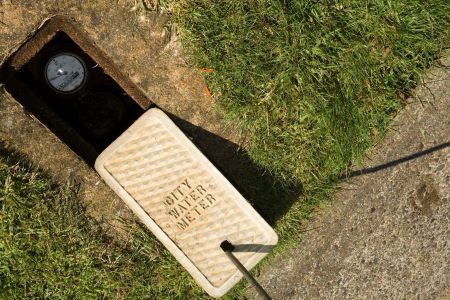
Manual meter reading is the original method used in most water systems. A trained meter reader physically opens the meter box, checks the meter cap, reads the display, and records usage in cubic feet or gallons per month. Although many believe manual reading is outdated, it remains highly reliable when performed by experienced professionals. In fact, Metereaders maintains a 99.9% accuracy rate, even with manual meters. Manual reading also provides a crucial advantage: visual inspections. Water in the meter box, a spinning low flow indicator, or damage to the metal plate or iron box are reliable signs of a leak indicator issue or water loss. These visual checks identify problems that automated systems may overlook.
AMR (Automatic Meter Reading)
AMR systems offer a hybrid approach between manual and fully automated reading. Using handheld devices or drive-by receivers, AMR captures readings from radio-equipped meters without requiring physical access. This system is ideal for communities transitioning from older dial meters, neighborhoods with hard-to-access meter boxes, or areas where the stop box is obstructed. AMR significantly reduces labor time while improving accuracy, making it a smart mid-cost option for cities seeking modernization without a complete infrastructure overhaul.
AMI (Advanced Metering Infrastructure)
AMI represents the most advanced technology available for expert water meter reading in Washington. These systems transmit usage data directly to a central office, capturing hourly readings, leak events, gallons-per-hour spikes, and unusual water flow patterns. With AMI, cities gain immediate insight into water consumption, fire flow demands, abnormalities in water mains, and continuous water use even during typical off-hours. AMI eliminates the need for drive-by readings, making it a long-term investment that improves efficiency, reduces water waste, and enhances the transparency of the water system.
Do You Need a Water Meter Reading?
Don’t wait—Contact us to get started!
Why Meter Reading Systems Matter to Communities
How Accuracy Impacts Municipal Operations
Accurate readings are essential for maintaining fair billing, minimizing disputes, and preventing unnecessary adjustments or billing questions. Older meters—especially those over 10 years old—can under-register by up to 20%, leading to large amounts of water going unbilled and unmonitored. This creates significant gaps in municipal water usage data and contributes to preventable water loss. Whether using dial meters or digital models, accuracy remains the foundation of every city’s water systems.
Improving Efficiency and Reducing Costs
Efficient meter reading protects city budgets. Instead of deploying fleets of heavy vehicles, Metereaders uses fuel-efficient scooters, allowing the team to read 1,000+ meters per day while reducing environmental impact. By outsourcing meter reading, communities also avoid paying for new equipment, new software, internal staffing, or ongoing training. Pricing varies depending on economic factors, material costs, and meter type, but contracting services often generate 40–50% cost savings compared to internal operations.
Enhancing Community Trust Through Customer Service
Water bills are among the most scrutinized household utilities, and clear water use data builds public confidence. When residents understand their consumption, they make better decisions about water-using appliances, such as their clothes washer or irrigation systems. Modern systems also allow communities to provide online portal access, digital + sign usage graphs, and immediate leak detection alerts—features that improve transparency and strengthen resident trust.
Best Practices for Selecting the Right Meter Reading System
Choosing the correct system involves more than simply replacing meters. Cities must evaluate infrastructure, meter age, accessibility, leak history, and long-term goals. In many cases, hybrid systems—combining manual reading in older zones with AMR/AMI in newer developments—offer the best balance of savings and efficiency.
Evaluate Existing Meter Infrastructure
Communities should review whether their meters are dial, straight-reading, touch-read, or digital displays with modern cell registers. Older meters may require replacement, while newer ones can often be upgraded with additional modules. Evaluating each meter box helps determine whether AMR or AMI can be implemented efficiently.
Identify Water Loss Patterns
Water loss is often hidden underground. If a city notices persistent high readings, unexplained water waste, or abnormal gallons-per-day trends, AMI may be the most effective option. Leak detection improves dramatically with hour-by-hour monitoring, especially in cities with aging water/sewer line connections or older master water supply infrastructure.
Understand Budget, Staffing, and Long-Term Goals
While AMI offers the most features, it also requires the highest upfront investment. AMR provides faster reading without significant infrastructure changes, while manual reading remains cost-effective and reliable for smaller communities. Contracting with Metereaders eliminates the need to replace vehicles, computers, software, or internal staffing—significantly lowering long-term costs.
Ensure Accessibility and Terrain Considerations
Hilly terrain, deep-set meter pits, heavy rains, or parking items above meter boxes can influence which system works best. AMR and AMI are highly effective in difficult-to-access locations. Manual reading remains best for areas with legacy infrastructure, iron boxes, or older meter pits with custom metal plate covers.
Consider Data Insights and Leak Detection Goals
If one of the city’s key priorities is controlling water waste or reducing billing disputes, AMI is typically the best choice. It provides real-time data, making it easier to track changes in gallons per hour, unusual water flow, and ongoing water use during nighttime hours. These insights help communities save significant amounts of water.
Choosing the Best System for Your Community
Choosing between manual, AMR, and AMI systems ultimately comes down to matching your city’s goals with the system that offers the best combination of accuracy, efficiency, and long-term value. With more than 40 years of experience in water meter services reading in Washington, Metereaders continues to support communities by providing reliable readings, fast turnaround, and exceptional customer service that adapts to evolving water systems. Whether your community needs manual readings with visual inspections, faster drive-by AMR technology, or a complete AMI upgrade, our team ensures every reading is precise and dependable. A well-chosen meter reading system protects community budgets, supports conservation efforts, and strengthens trust between residents and utilities. When your city is ready to improve accuracy, reduce water loss, and modernize its metering operations, Metereaders is prepared to help with expert solutions tailored to your needs.
Other Services We Provide
- AMI Meter Reading: Advanced metering with real-time leak alerts, hourly water use data, and improved consumption accuracy for municipal systems.
- AMR Meter Reading: Drive-by or handheld reading technology that speeds up data collection and improves service for older and newer meter systems.
Do You Need a Water Meter Reading?
Don’t wait—Contact us to get started!